
 It is becoming increasingly difficult to find any real weaknesses of the Cubs. They sit atop the MLB standings with a 43-19 record, and they lead the league in a number of different offensive and pitching categories. Not a whole lot to complain about at this point. If we were to complain, however, there is one area in which we’d have the right to do so:
Their bullpen.
Guys like Travis Wood, Pedro Strop, Trevor Cahill, and Hector Rondon have all pitched well out of the pen so far this season, all things considered. You could even argue that Rondon has been one of baseball’s best relievers up to this point. But then you have Justin Grimm, Clayton Richard, and Adam Warren who have looked good at times, but just haven’t shown that consistency that we would like to see. For instance, if the playoffs started tonight, I would have next to zero confidence in Justin Grimm coming in during the 7th inning and escaping a jam.
If the Cubs want to put themselves in the absolute best possible position to win through October, they need to acquire a rather dominant, back-end reliever at or before the trade deadline.
I am by no means the first or only person talking about this “problem.” Anyone who watches the Cubs on a consistent basis sees the same thing. The only question is who might the Cubs’ front office target via a trade?
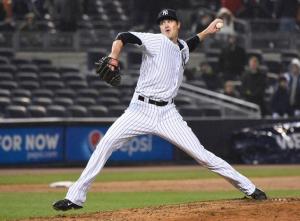
There are two high profile relievers that have been linked to the Cubs for a few weeks now: Aroldis Chapman and Andrew Miller; both late-inning relievers for the Yankees.
Us Cubs fans know exactly who Chapman is thanks to his time with the Reds. He owns a rocket-launcher for an arm, but can also let go of a nasty slider that catches hitters completely off balance and on their front foot.
This season, Chapman has a 1.93 earned run average to go along with 21 strikeouts in 14 innings, and 11 saves. His downside is the fact that he was suspended for the first month of the season due to a domestic violence incident that he was involved in over the offseason.
On the other hand, you have Andrew Miller. Miller owns a 1.01 ERA with 48 strikeouts in 26.2 innings pitched. And this season isn’t some fluke year for him either. Since 2013, the worst his ERA has been at the end of a season is 2.64.
So if it came down to Chapman or Miller for the Cubs, which should they more aggressively pursue?
The answer is Andrew Miller. Not only has he evolved into one of baseball’s most dominant relief pitchers, but he has always shown a willingness to pitch in whatever inning or situation he is asked to. Certain relievers only like pitching in the ninth, or in close games, or in no-pressure situations. With Miller, you get a guy who will do whatever is asked of him.
Also, Theo Epstein and Jed Hoyer are familiar with Miller from his time in Boston, and vice versa. Believe it or not, that can be a big factor when making trades.
So with Andrew Miller, Joe Maddon could then theoretically use him in the 8th inning as the setup man and keep Rondon in the closer role. Pedro Strop becomes the new 7th inning guy. Just like that, you have three rather dominant relievers at the back of the bullpen to help you finish off games. One of the biggest reasons why the Kansas City Royals won last year’s World Series was due to the fact that they were able to shorten games by having three great, shutdown relievers pitch late in ballgames. When you have a luxury like that in your bullpen, games in which you are winning all of a sudden become 6 or 7 inning games for the opponent.
Of course, to get an Andrew Miller or Aroldis Chapman, the Yankees will demand a substantial return. They will likely ask for Baez, or Schwarber, or Wilson Contreras, or Gleyber Torres. The Cubs will likely not give up any of those players for a possible rental bullpen pitcher. Instead, they may be forced to trade away one of their second-tier prospects, a draft pick, and a player off their Major League roster. Maybe even a little more than that. What I don’t want to see, however, is the Cubs overpay for a relief pitcher that may not re-sign with the team after this season if his contract is up.
The trade deadline is still over a month away, but that doesn’t mean a deal can’t get done before then. The sooner the Cubs can strengthen their bullpen, the better.
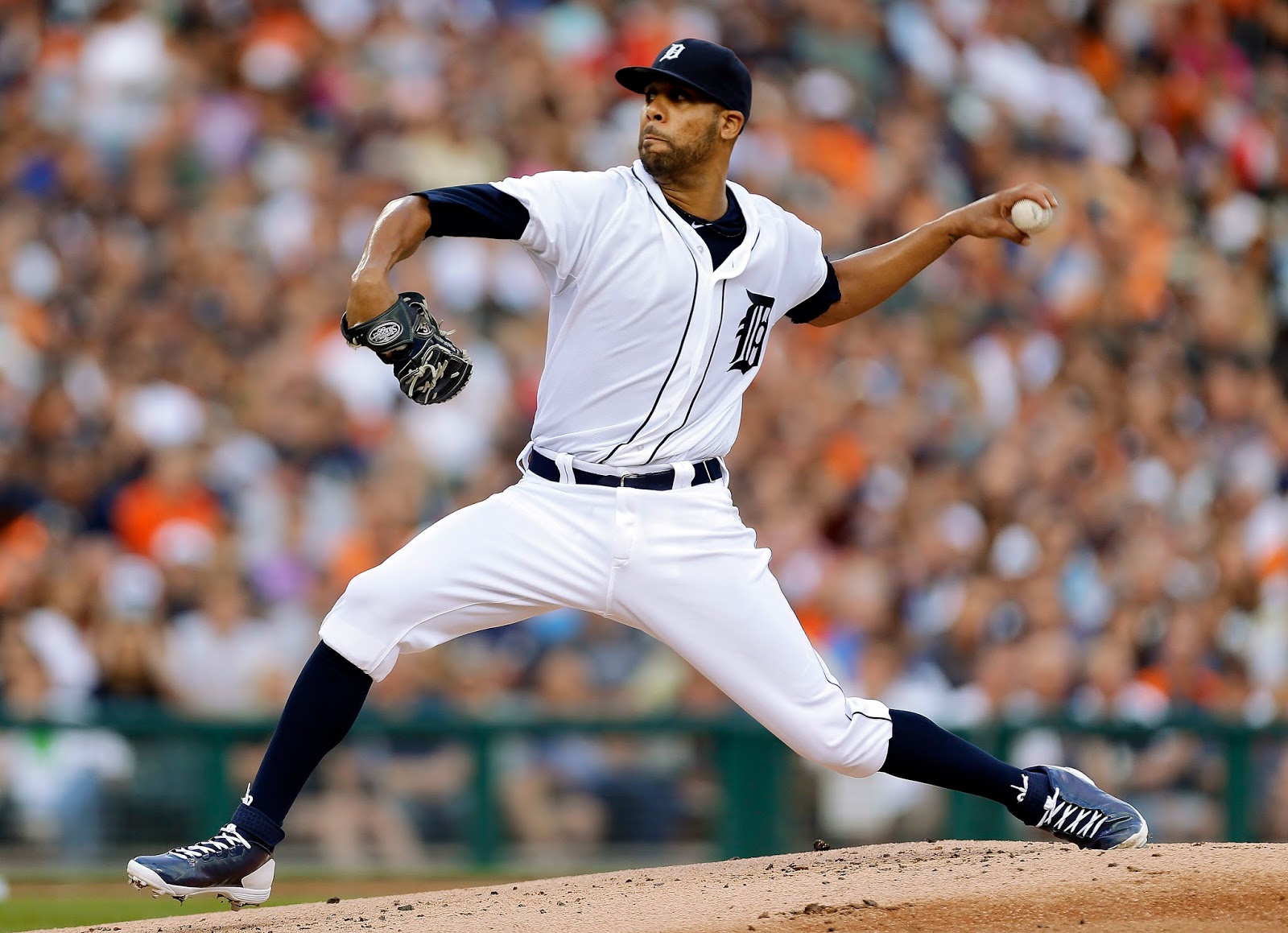
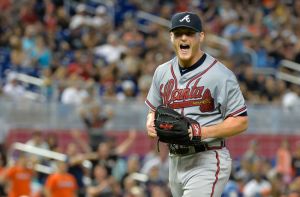 The Cubs entered this offseason with the main goals of adding depth to their starting rotation and bullpen, as well as signing a center fielder. Many believed that David Price was the Cubs’ number one target, but he signed a record-breaking deal with Boston yesterday that the Cubs simply could not (nor should they have) matched. Another supposed target of the Cubs, Jordan Zimmermann, signed with the Tigers over the weekend. So now two starting pitchers that the Cubs were believed to have had serious interest in are gone. Where do they go from here with regards to adding pitching, and what free agent outfielders may they heavily pursue?
 After playing his first five seasons in Atlanta, Heyward was traded to St. Louis in a deal that included none other than Shelby Miller going the other way. In his six seasons in the league, Heyward has averaged about a .270 batting average, 19 home runs, and roughly 70 runs batted in. Not eye-popping stats, but still good ones. This past season was one of his best, as he hit .293 with 13 dingers, 60 RBI, and a career best 6.54 WAR (wins above replacement), which was good for fifteenth in all of baseball. He also won his third career Gold Glove in just his sixth season.
 patrolled center field for the Nationals over the last three seasons. Span, who is 31 years old, has a career batting average of .287 and a .352 on-base percentage. Both of those numbers are very ideal for a leadoff hitter, which is where he’d bat if in the Cubs’ lineup. He is also an above average defensive player, with a career .991 fielding percentage.
 Cue the Dagger